A simple but powerful way to read intention, dominance, and repeatable intraday market behavior.
Have you ever watched the tape and wondered, “Why does price keep bouncing at the exact same level?” or “Why does one broker keep showing up every time volatility spikes?”
This strategy is designed to answer exactly that. It is built on three core pillars:
- Identify the defending price
- Identify the dominant buyer or seller
- Trade the breakout or fade as soon as dominance shifts
🧱 1. Identify the Defending Price
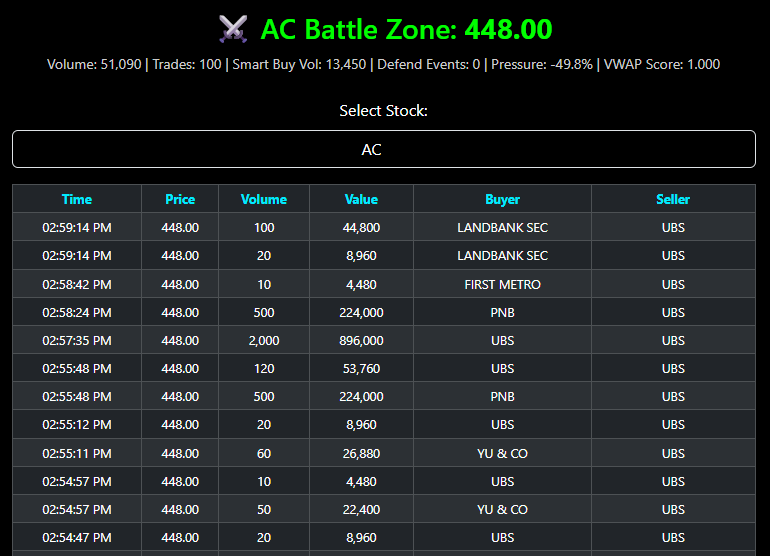
Every meaningful intraday move begins with defense — a price zone repeatedly protected by aggressive buyers or sellers.
How to spot a defending price:
- Price rejects the same zone multiple times.
- The bid (for support) or ask (for resistance) keeps refilling after being hit.
- Time & Sales shows absorption — heavy prints do not break the level.
- Volume spikes occur but price doesn’t move, signaling defense.
The defending price often reflects:
- Accumulation or distribution
- A broker protecting a target average price
- A position that cannot be allowed to break
- A boundary the smart money wants to control
This level becomes your reference point for all intraday decisions.
🧱 2. Identify the Dominant Buyer or Seller
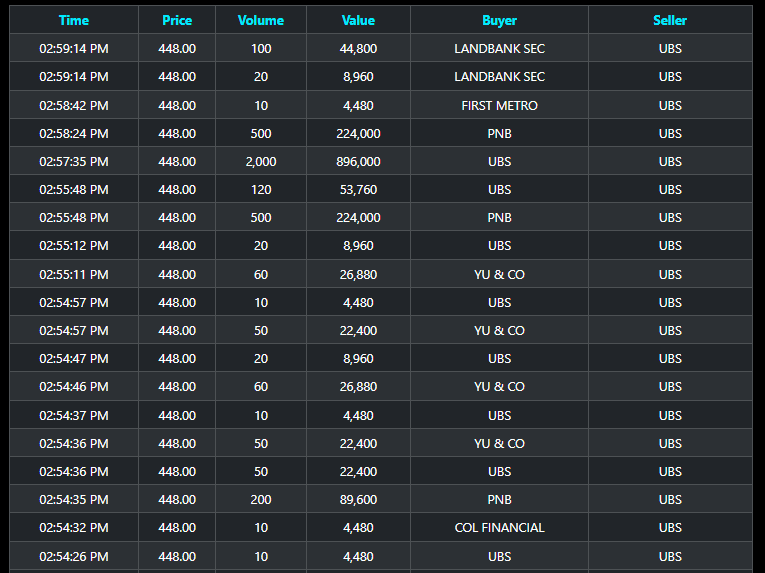
Markets move when one actor’s intention outweighs everyone else’s hesitation. This is what we call broker dominance.
Signs of dominance:
- One broker repeatedly appears on the defending side.
- They take the largest volume near the key zone.
- Their behavior repeats — defend, reload, defend again.
- Every time price attempts a breakout, the same broker intervenes.
Where dominance usually comes from:
- Institutional brokers accumulating or distributing
- Foreign brokers with predictable patterns (e.g., UBS, J.P. Morgan, CLSA)
- Algorithmic accumulation repeating every few minutes
Once you identify the broker controlling the level, you gain an edge no chart alone can provide. You now understand who is shaping the market.
🧱 3. Trade the Breakout or Fade When Dominance Shifts
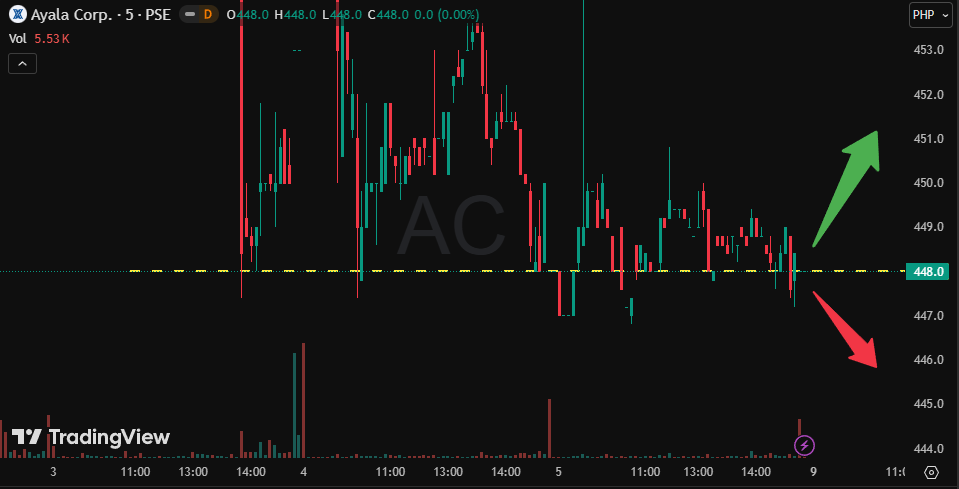
This is where the strategy becomes actionable.
When dominance remains intact, trade with it. When dominance collapses, trade against it.
A. Trade the Breakout (when buyers win)
Buy when:
- The defending buyer lifts price above the micro-range
- Ask walls get eaten
- A clean higher high form after the defense
- Volume shifts from passive to active buying
Stop-loss: Just below the defending level.
B. Trade the Fade (when sellers regain control)
Short or exit when:
- The defending ask suddenly disappears
- Bid walls vanish
- A previously dominant broker becomes a net seller
- Selling pressure accelerates on the tape
Your edge comes from recognizing the shift in dominance before the chart fully reveals it.
🔁 Why This Strategy Works
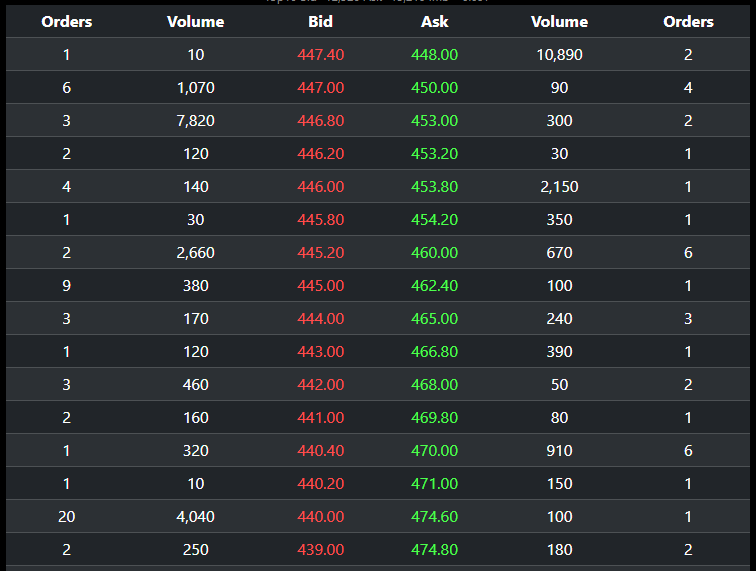
Smart money cannot hide their footprints. Accumulation patterns, defense levels, and liquidation zones show up as repeating behavior in broker flow.
Repetition reveals:
- Intention
- Urgency
- Boundaries they are defending
Price doesn’t move because of charts — it moves because someone wants it to move. Tape + broker flow shows you who wants what.
🚀 Putting It All Together
- Mark the level being defended. This is your anchor.
- Identify which broker is in control. Dominance reveals direction.
- Enter when dominance confirms or collapses.
- Breakout = follow the dominant buyer
- Fade = follow the reversal when dominance disappears
🧠 Final Thoughts
The best traders don’t guess — they observe repetition, identify intention, and exploit shifts in control.
When you learn to read broker flow the way smart money uses it, price stops feeling random and starts behaving logically.
🚀 Ready to Learn These Strategies From Me Directly?

Broker Flow Repetition + Price Defense is one of the core strategies I teach inside my Orderflow Trading Lifetime Mentorship Program. If you want to master tape reading, broker flow analysis, and live execution, I welcome you to reach out.
📩 Email me to enroll: myactualtrades@gmail.com
Or message me on Facebook: facebook.com/pedro.the.trader
Spaces in the mentorship are limited to ensure each member receives one-on-one guidance.